Coaching Tips
Setting Direction.
Part 2 - When, Where and With Whom?
“All dreams appear impossible,
until somebody makes them happen.”
Barry Neil Kaufman (Author)
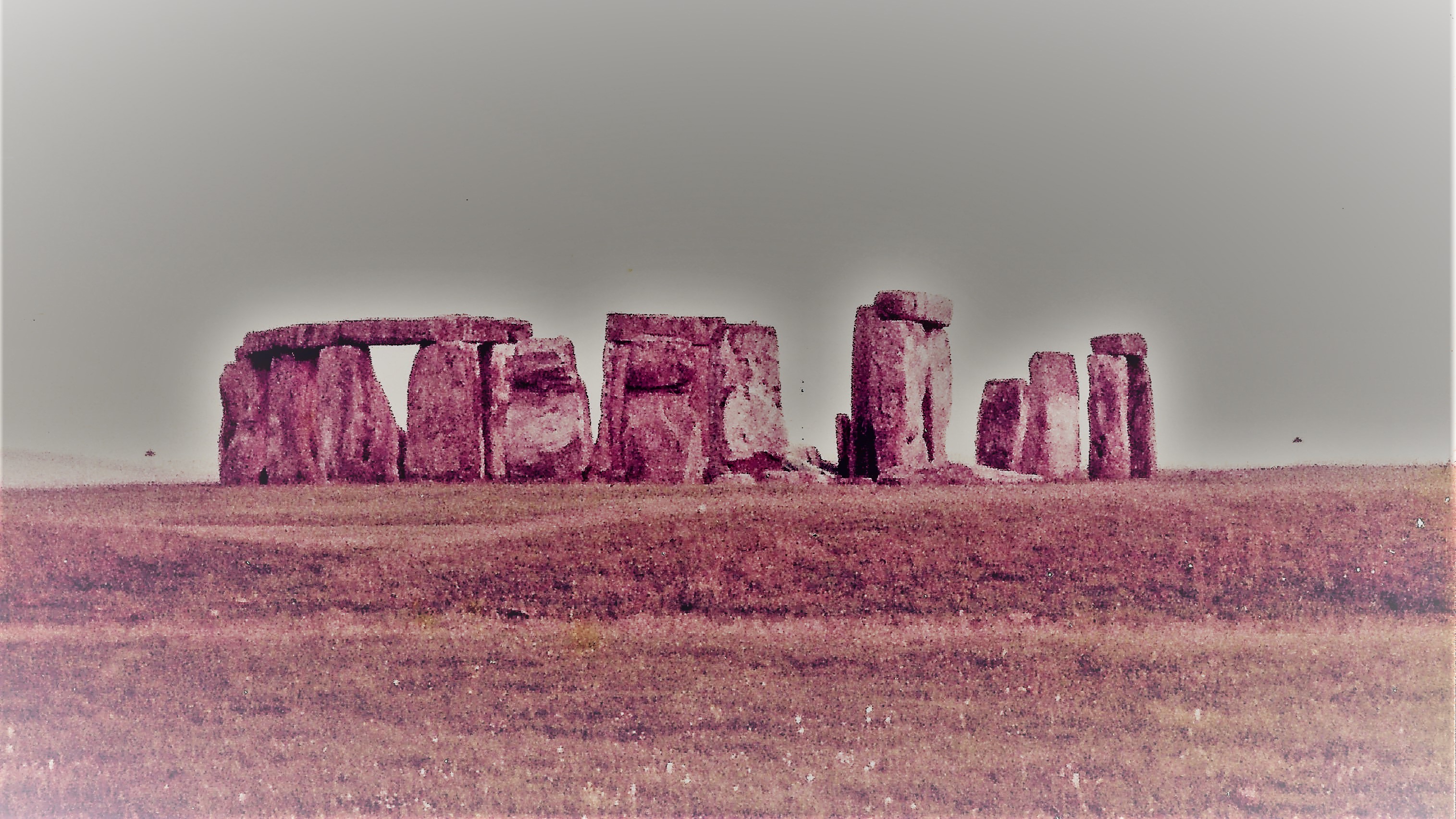
There’s an old saying (attributed to Arch-Bishop Desmond Tutu) about how to eat an Elephant… “one bite at a time”, which is a great way to approach a big goal. By breaking the goal into smaller and smaller chunks, it becomes more achievable.
Of course, there is a limit to this approach, even with an Elephant. It would take months, if not years to fully consume one, and you’d need to find a freezer big enough to store it whilst you ate your way through it.
It becomes even more of a challenge when we think about an even bigger goal. Think about it this way… Around 4,600 years ago in Egypt, The Pharaoh Khufu wanted a tomb and permanent memorial complex built for himself and his wife to commemorate his life and make his “afterlife” comfortable.
He wanted it in a prominent position close to the Nile and visible for miles around – he was definitely planning ahead!
Now, Khufu’s goal was too big for one individual to make happen in their lifetime – it took between 13,000 – 40,000 people about 27 years to complete. So it is pretty obvious that some goals require more resources than one person alone can provide.
Whatever the goal, it’s important to know “When” you want it. Working to a timescale to achieve the goal – Khufu needed his pyramid to be ready before he died.
Of course, a little flexibility in the timescale is always a good thing. A goal may be achieved sooner than expected – in 2021, our daughter managed to get her dream job, monitoring Puffins on The Farne Islands, and had started the job before she even sat her finals.
Sometimes allowing a little extra time may also be appropriate – a client recently postponed leaving his corporate job, when there was talk of a round of redundancies coming up. He ended up with a nice nest egg and “seed funding” for his new business venture.
As with Khufu’s pyramid, the question of “Where” you want to achieve the goal must also be answered. This may be a specific geographical location – “Giza! I want my Pyramid on the plateau at Giza!” (poetic license applied). Or it may be broader than this. In a recent discussion with a client, his goal went from “In Liverpool”, to “UK-wide”. For some, the location may be very local, nationwide, Global or simply “Online” – the lifestyle of a “Digital Nomad” is now more achievable than ever.
Then we must consider “With whom” do you want your goal? This could be simply for yourself to achieve on your own (e.g. run a marathon), or it could be with a group of people (e.g. put on a Shakespeare Play), or for people (e.g. inspire children to think about their future careers).
The “With whom” could even be for humanity as a whole e.g. wiping out a particular disease – the only disease to be completely eradicated worldwide so far, is smallpox. So there is still progress to be made in this field.
Even Khufu needed to think of the “With Whom” – he was never going to build his pyramid himself.
When setting goals, it's important to explore these three items separately. To make the goal even more tangible, explore each in detail.
Sometimes, we may have our goal outlined and planned on paper, yet, it is still not happening...
So, today, let’s raise the stakes a little…
- Think of the goal you want to achieve. What is the timescale for that goal?
E.g. To increase turnover to £500K within 2 years.
- What have you done so far, that isn’t working yet?
E.g. Joining the local Chamber of Commerce, asking for referrals, writing articles for LinkedIn etc.
- Now, re-appraise the timescale and goal, and ask yourself:-
“If I had to achieve twice that amount in half the time, what would I do differently?”
E.g. Pick an industry sector that can afford my services and concentrate on that. From within that sector, choose between three and five mid-sized companies and three to five large companies to target. Seek out the key personnel, begin to build a relationship with them and start to understand their specific individual needs. Ask how can I most effectively meet those needs with the services I offer.
- Review your answer and decide what actions need to be taken, in what order, by when, and who can help you achieve this goal.
Remember, even Khufu had to adjust the timescales and resources devoted to achieving his goal – on average, around 13,500 people worked on his pyramid; this rose closer to 40,000 when the building project was at its height.
© NLP Liverpool Limited 2024